
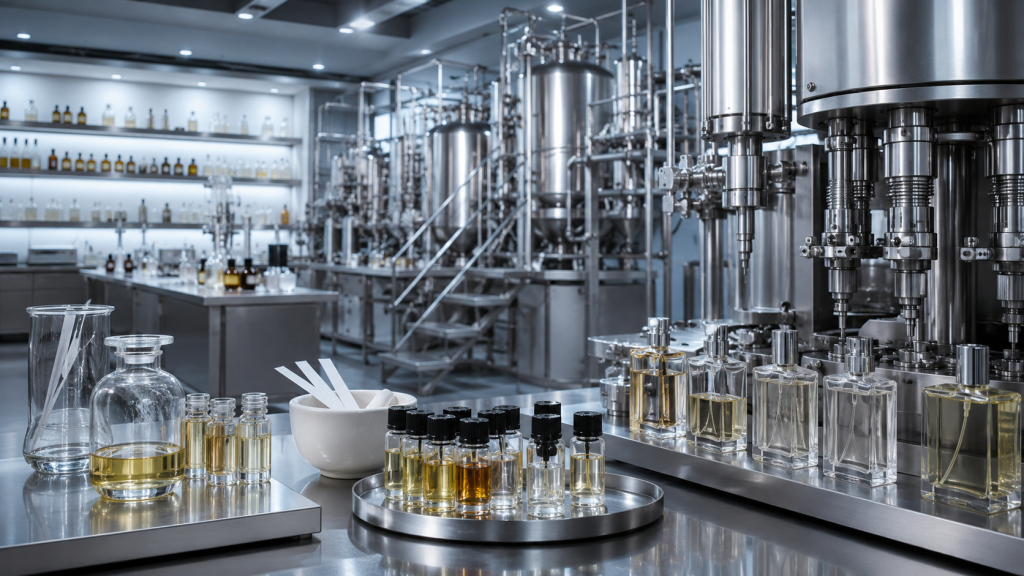
Process and Approval Overview
Creating a successful perfume product requires much more than mixing fragrance ingredients and filling bottles.
A professional perfume manufacturing process includes fragrance development, packaging coordination, production control, quality inspection, and shipment management.
Use this guide to assign inputs, outputs and release evidence from brief to shipment. The route is a planning framework; actual equipment, studies and approvals must be confirmed for the project.
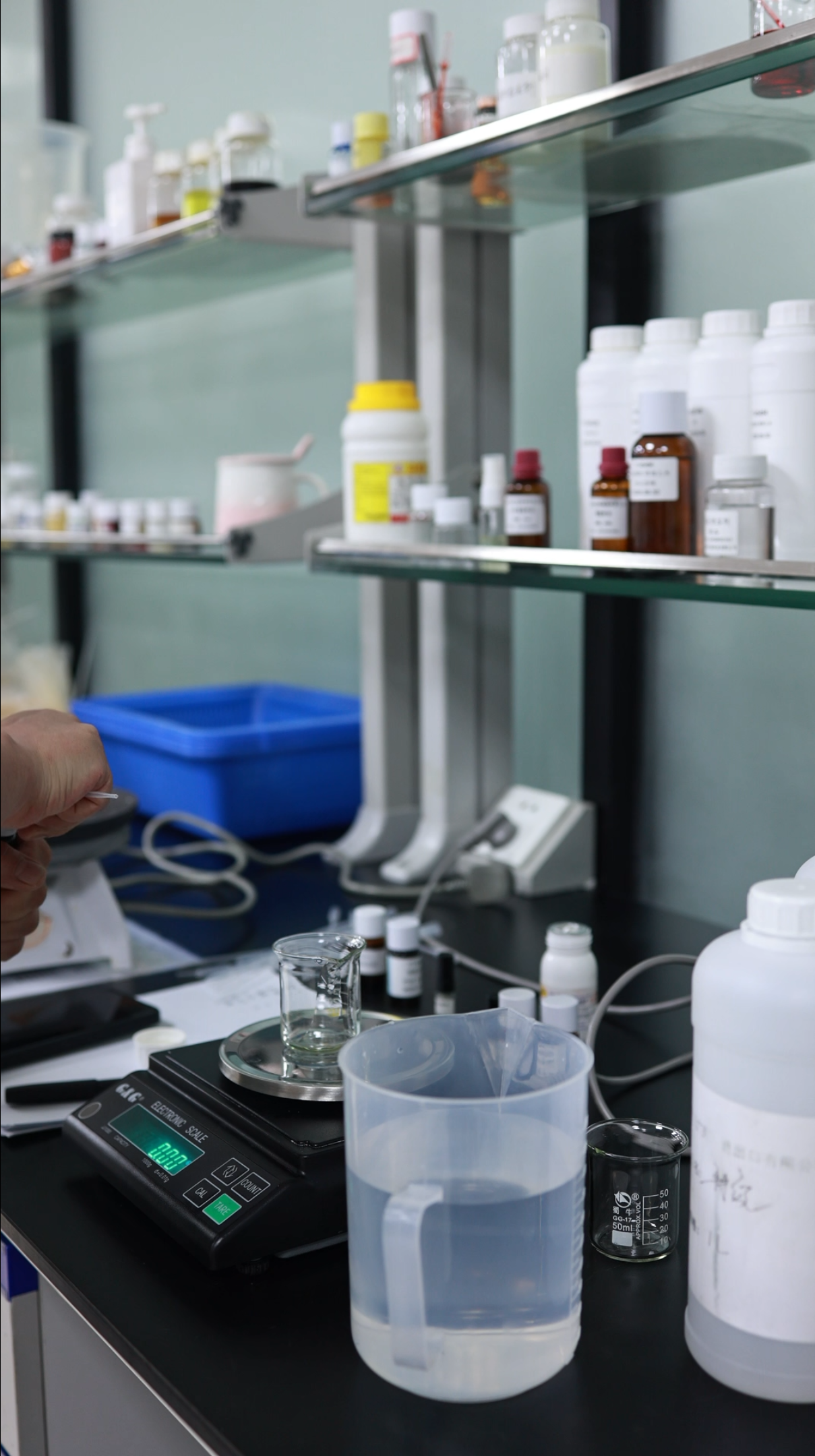
Complete Perfume Manufacturing Process
Brief and feasibility → development → sample evaluation and assessed revisions → formula/pack approval → required pilot/process review → filling/assembly → authorized QC release → shipment. Safety, market and packaging work may overlap where dependencies permit; this is not a verified factory flow diagram.
1. Fragrance Brief Review
Every perfume project begins with understanding the brand idea, target customers, fragrance expectations, and production requirements.
A fragrance brief usually includes:
- Brand positioning
- Target market
- Product category
- Fragrance style
- Reference products
- Packaging expectations
- Price positioning
Input: Versioned brief, markets, quantities, cost basis and proposed pack. Output: Accepted scope and open questions. Owner: Brand decision maker and supplier project/technical reviewers. Gate: Dated scope decision; use the first-inquiry RFQ worksheet.
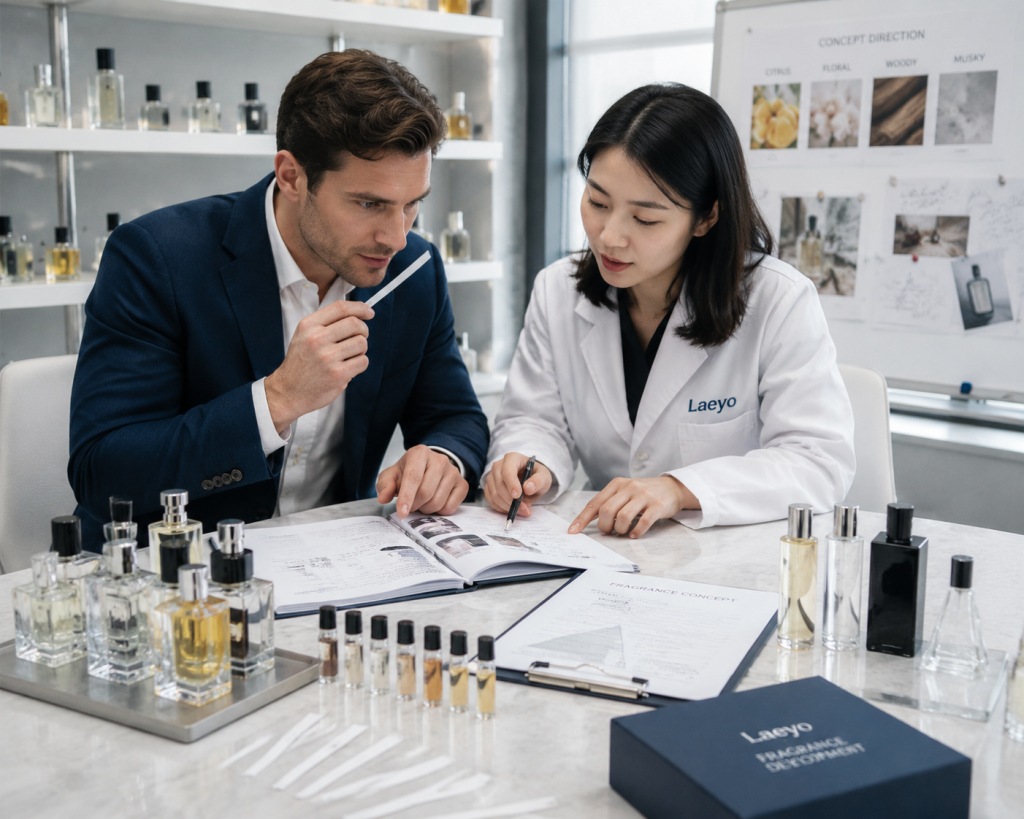
2. Scent Development
The scent development stage transforms a brand concept into a fragrance direction.
Common fragrance directions include:
- Floral
- Fresh
- Woody
- Gourmand
- Amber
- Fresh or airy sensory direction; ingredient/safety claims require separate review
Input: Accepted brief and authorized references/materials. Output: Identified development versions and supporting technical information. Owner: Named developer and project technical reviewer. Gate: Permission for the defined sample use and evaluation; no exact-copy or universal in-house capability is assumed.

3. Sample Evaluation
Input: Identified finished-use samples and agreed criteria. Output: Recorded observations and consolidated feedback. Owner: Brand evaluator plus the technical team responsible for the method. Gate: Dated accept/revise/hold decision with remaining gaps. See sample evaluation and approval; any skin work requires a suitable approved method.
The process usually includes:
- Initial sample creation
- Brand feedback
- Formula refinement
- Sample approval
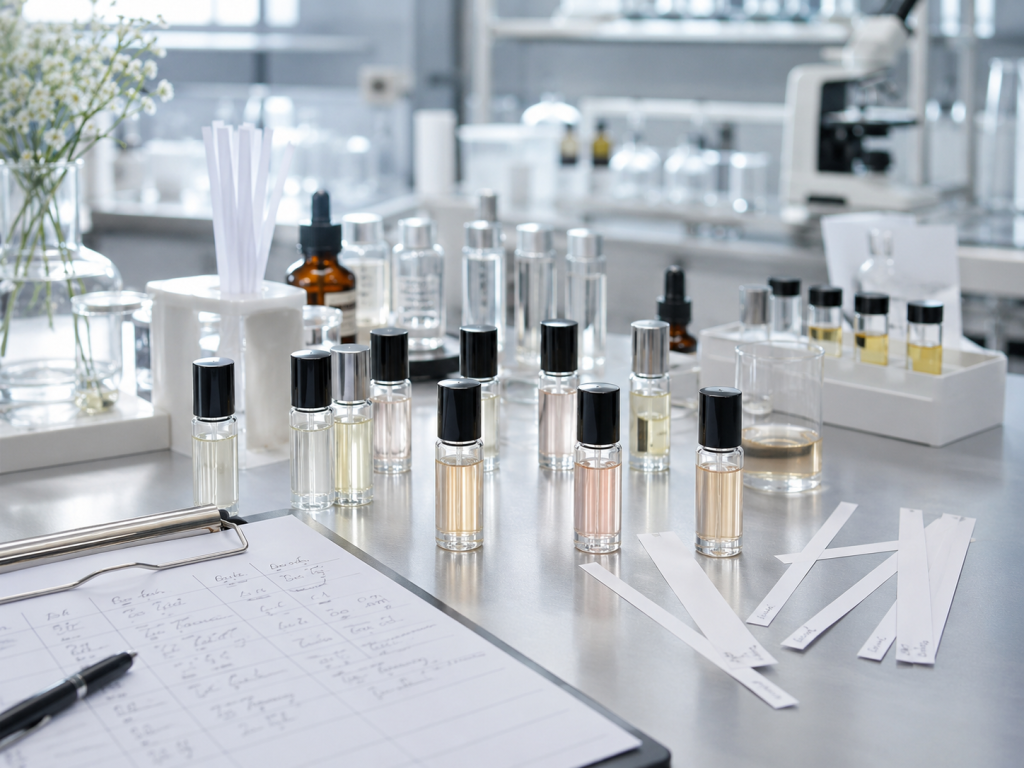
4. Formula Adjustment
Input: Change request and comparison evidence. Output: Revised formula/version and assessment of affected safety, label, pack and process work. Owner: Developer, technical reviewers and brand approver for their scopes. Gate: Written change disposition; a requested adjustment is not automatically approved for production.
5. Packaging Confirmation
Input: Actual component drawings, artwork, formula and sample references. Output: Versioned complete-pack specification and relevant results. Owner: Packaging engineer/quality reviewer and brand artwork owner. Gate: Approved fit, function and evidence scope, with any deviations resolved before the relevant next stage.
A perfume product may include:
- Bottle
- Cap
- Sprayer
- Label
- Folding carton
- Gift packaging

6. Pilot Production
Input: Scale-up questions, approved formula/pack and proposed equipment/process. Output: Actual trial record, results, deviations and representativeness assessment, where a trial is required. Owner: Technical and quality authorities. Gate: Accept/hold decision against agreed criteria. See pilot versus bulk production; a pilot does not automatically verify every performance claim.

7. Filling
Input: Released bulk/materials, selected components, approved process and sampling plan. Output: Identified filled units and batch records. Owner: Production personnel and designated quality reviewers. Gate: Required fill/closure checks and documented disposition before the next stage; use the actual closure specification.
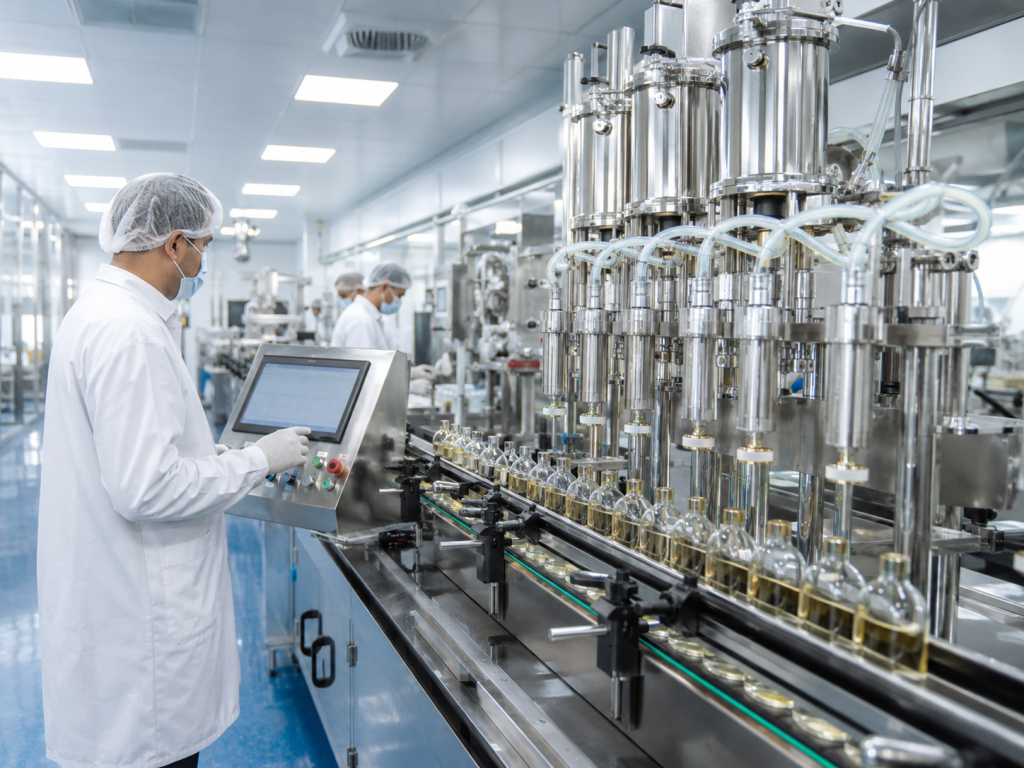
8. Assembly
Input: Accepted filled units, pack and artwork versions. Output: Identified assembled units with inspection records. Owner: Assembly and quality teams. Gate: Relevant packing/appearance/functional acceptance and deviation disposition. The selected route may include:
- Cap installation
- Label application
- Box assembly
- Carton packing
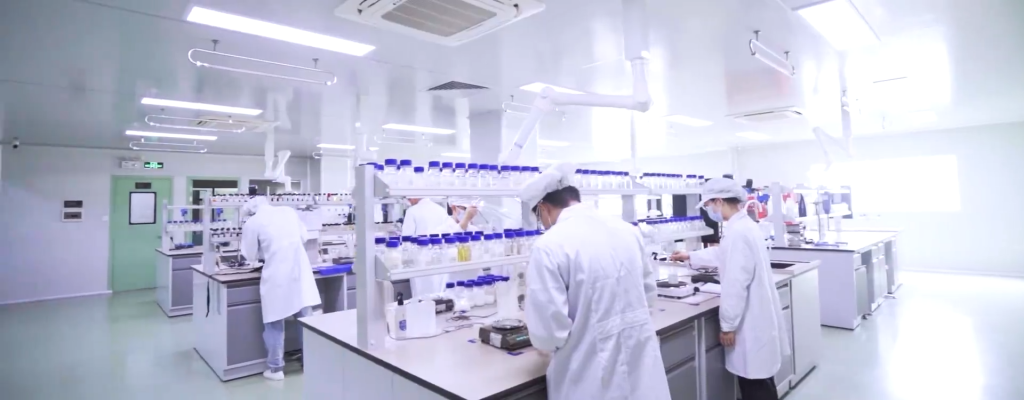
9. Quality Control Inspection
Input: Batch records, identified samples, approved reference and release specification. Output: Results and a documented release or hold. Owner: Named authorized quality-release person. Gate: Required evidence and approved disposition, not a guarantee of exact sameness. See the quality and consistency guide.
Select the applicable inspections and methods; possible areas include:
- Appearance inspection
- Leakage testing
- Spray performance testing
- Finished product inspection
10. Shipment
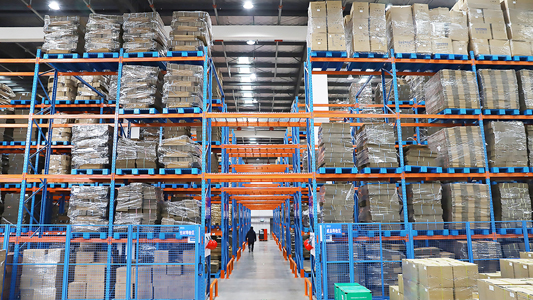
Input: Released goods, actual shipment details and required documentation. Output: Packing/dispatch records and carrier handover information. Owner: Authorized logistics/shipper and commercial parties. Gate: Confirmed classification, route acceptance, documents and delivery terms; inspection alone is not international shipment clearance.
Why A Transparent Manufacturing Process Matters
A professional perfume manufacturer should provide transparency about development, production, quality systems, and documentation.
Brands should evaluate:
- Manufacturing experience
- Development capability
- Quality control systems
- Documentation support
- Communication process
OEM and ODM Connection
Define OEM/ODM by the actual work and supplied inputs. The commercial name does not establish ownership, exclusivity or the division of every technical duty.
Related guides:
- How to Start Your Own Fragrance Brand gives the overall roadmap.
- OEM vs ODM Perfume Manufacturing helps allocate tasks and change approvals.
Which Option Is Suitable For Your Project?
Whether you need OEM manufacturing, ODM development, or private label fragrance solutions, the right approach depends on your product goals.
Prepare the known scope and remaining evidence questions before asking Laeyo Fragrance to assess a manufacturing route.
FAQ
How long does the perfume manufacturing process take?
The actual route determines timing. Separate R&D, customer waits, studies, components, production, release and transport. Approximate three-day sample R&D excludes communication, confirmation waits and shipping; it is not a total project lead time.
What is the first step in creating a private label perfume?
Prepare a brief with intended use, sensory direction, market, quantity, pack and budget basis, then obtain a scope/feasibility review. Mark open inputs instead of inventing specifications.
What quality checks are performed during perfume production?
Agree methods, conditions, samples and limits for the selected formula and pack, then review actual results and authorize release. A generic inspection list is not evidence that a batch passed.
Who Reviews the Actual Project?
This guide is published by LAEYO Fragrance, the B2B fragrance development and manufacturing website of Guangzhou Laiyue Biotechnology Co., Ltd. in Guangzhou, China. Review the publisher’s company background and published company documents. This identifies the publishing organization; it does not establish individual author qualifications or a completed expert review of this article. For an actual project, identify the reviewers, their roles and relevant qualifications.
Record the technical, quality, market and commercial approval scope and date in the project files; a generic team label is not a signed review.
Roles to identify:
- Private label fragrance development
- OEM/ODM perfume manufacturing
- Sample evaluation
- Packaging coordination
- Quality inspection
Use the Detailed Guides at Each Decision
The private label perfume manufacturer page describes development-reference scope; confirm available project options.
Discuss inputs and deliverables through perfume OEM ODM services.
Use OEM vs ODM perfume manufacturing for responsibility and change-control questions.
Use factory capability information to ask about the actual site, equipment and proposed route, without treating a generic image as proof.
Prepare market-specific evidence questions using perfume compliance documents and the import-document navigation guide.
Use the project contact page to discuss your fragrance project with the known inputs and outstanding approval needs.
Evidence Still Needed for a Real Process Illustration
The existing images are retained as page illustrations. No newly verified workshop photograph or project-specific sample-flow diagram is supplied here. Before presenting an image as an actual LAEYO perfume process, confirm its source, permission, site/process identity and the approved caption with the responsible team. The role-and-gate descriptions above are planning fields, not completed factory records.