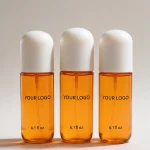
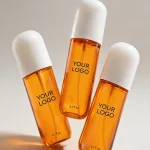
Planning to create your own fragrance brand or expand your existing perfume collection? Explore practical answers from LAEYO Fragrance on custom scent development, perfume formulation, fragrance concentration, bottle design, packaging customization, sampling, MOQ and manufacturing.
From eau de parfum, body mists and perfume oils to roll-on fragrances and luxury gift sets, discover product development opportunities for your brand. Whether you have a detailed project brief or simply an initial creative idea, our factory team is ready to discuss your fragrance vision and help you bring it to life.
Find the answers that match your fragrance idea, then discuss your project directly with our factory team in live chat.
Before approving a fragrance shipment, start with the finished product release file. Confirm the Certificate of Analysis (COA) matches the approved specification for appearance, odor, color, clarity, net content, and any agreed sensory parameters. Review the Safety Data Sheet (SDS) and Technical Data Sheet (TDS) for the exact formula and batch, and check that the batch number on all documents matches the cartons and labels. Then verify production evidence. Ask for raw material incoming inspection records, weighing/compounding and blending/maturation/filtration logs, semi-finished product test results, first-article and in-process inspection records, filling…
The time to receive a perfume quotation depends on the completeness of the information you provide. We need six groups of information before we can build accurate pricing: market and commercial details, target consumer and usage, product format and concentration, fragrance direction, packaging route, and regulatory/project responsibilities. Missing details create back-and-forth and extend the timeline. You can speed this up by sending the RFQ checklist: market + channel, SKU list, format/size, target price band, packaging direction, claims boundary, documents needed, launch date, and certification preferences. Quotation speed is also affected…
Use structured, comparative language instead of only “like/dislike” or “premium/nice/special.” Start by identifying the exact sample, test date, and surface (skin or blotter). Then compare the sample to the approved reference or the original brief using directional terms such as fresher, sweeter, woodier, drier, softer, more diffusive, or closer to skin. This tells the perfumer which lever to adjust. After the scent direction, give feedback on strength and concentration, then on how the fragrance performs in the intended bottle, color, or marketing name if relevant. Describe the gap: for example,…
Custom fragrance development is usually measured from an approved brief to a production-ready formula, not from first contact to shipped goods. In practice, Fast Launch or existing-scent modifications may reach a selected candidate in 2-4 weeks because they use one or two lab rounds. Reference benchmark and private label adaptations often require 1-3 sample rounds. Deep Custom or Original Creation typically requires 2-4 formal evaluation rounds, with extra exploratory work before the first client review, so 4-8 weeks or longer is a realistic planning window. The main variables are fragrance…
For a U.S. cosmetic fragrance project, identify the responsible person from the manufacturer, packer or distributor named on the product label. Review which facility-registration and product-listing duties apply, including any applicable exemptions; a project agreement should not imply that statutory duties can simply be reassigned. FDA registration and listing numbers do not mean that FDA has approved a facility or product, and FDA does not issue certificates verifying cosmetic registration or listing compliance. Before finalizing your project, have the responsible parties review safety substantiation, adverse-event handling, labeling and any other…
Start with the scent experience you want to sell. Body mists are usually alcohol- or water-based with low fragrance concentration, light projection, and low cost; they suit casual wear, gym, or fast DTC testing. Perfume oils are usually alcohol-free, oil-based, and wear close to the skin with lower diffusion; they are common for roll-ons, attars, and clean beauty or South Asia and Middle East formats. Eau de parfum is alcohol-based with higher fragrance concentration than mist, giving stronger projection and longer wear, but it requires more attention to packaging, flammability,…
Labeling fragrance ingredients on perfume packaging varies by destination market. In the United States, most cosmetic ingredients do not require pre-market FDA approval, and retail cosmetics may often list fragrance as “Fragrance” when conditions are met. However, this generalized listing is not universally accepted. The European Union, Canada, and other markets have specific fragrance allergen disclosure rules. Perfumes are typically leave-on products, so when certain listed allergens exceed applicable concentration thresholds in the finished product, they must be named individually on the ingredient list, not hidden under “Parfum” or “fragrance.”…
Start by requesting an equipment list that covers the full production path: compounding and mixing vessels, filtration, storage tanks, filling machines, capping and crimping equipment, labeling and date coding. For alcohol-based fragrance, ask whether electricals and ventilation are rated for flammable solvents and whether the line can achieve your fill volume accuracy and pump torque range. Do not rely on photos alone. Request a live video walk-through or arrange a third-party audit, and compare the equipment list with what is visible on the line. Confirm supporting evidence of operational control,…
Before transferring a fragrance formula from development to bulk production, the brand and factory should sign off on all critical feasibility gates. At minimum, confirm the target sales market and regulatory framework so formula, label, and documentation requirements are defined. Approve the finished scent direction, including notes to avoid and performance benchmarks. Confirm packaging direction: bottle, pump, cap, box, and any gift-set structure must pass fit, seal, and compatibility checks. Validate that complete landed cost fits the brand’s target retail position; if not, agree on a cost-reduction plan before committing…
A perfume factory owns or directly controls the formulation lab, compounding, filling, and packaging lines. It can manage raw materials, batch records, stability, and QC in one location. A trading company does not manufacture; it buys from one or more third-party factories and resells to you. This means the factory can usually offer more direct customization, faster technical answers, lower markup, and stronger formulation confidentiality, while a trading company may offer broader sourcing and consolidated small orders but with less control over change management and defect investigation. In daily production,…
Bring your fragrance brief to a manufacturer with formulation resources, product development expertise and production capabilities. Explore scent concepts and packaging directions together with LAEYO.
Custom sample development for B2B brand OEM/ODM projects, with scope, fees, and timing confirmed before work begins.
1
Contact Us
We support B2B brand OEM/ODM projects only, with no own-brand retail products or off-the-shelf stock. Perfume bulk orders start at 1,000 bottles. Contact us to discuss your requirements, budget, and sample development scope.
2
Share Your Requirements
Share your requirements and expectations, including performance, texture, scent, color, ingredient preferences, packaging, and target market. We will provide an initial consultation and tailored recommendations.
3
Pay Sample & Shipping Fees
Sample and shipping fees are confirmed before work begins. The sample fee is fully credited toward a bulk order of at least 1,000 bottles. Pricing varies by item, quantity, and shipping destination.
4
Receive, Test & Review
Sample R&D takes approximately 3 days, excluding time spent on client communication and waiting for confirmation, as well as shipping time. Dispatch and delivery timing are confirmed separately. After you receive and test the samples, we will review your feedback and discuss the next steps.