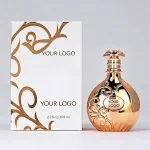
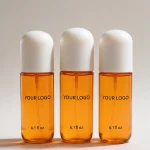
Planning to create your own fragrance brand or expand your existing perfume collection? Explore practical answers from LAEYO Fragrance on custom scent development, perfume formulation, fragrance concentration, bottle design, packaging customization, sampling, MOQ and manufacturing.
From eau de parfum, body mists and perfume oils to roll-on fragrances and luxury gift sets, discover product development opportunities for your brand. Whether you have a detailed project brief or simply an initial creative idea, our factory team is ready to discuss your fragrance vision and help you bring it to life.
Find the answers that match your fragrance idea, then discuss your project directly with our factory team in live chat.
Choosing a target market starts with defining where you will sell and to whom. Ask which country or region is the primary focus, what consumer age, gender expression, lifestyle, and purchase motivation you are serving, and whether the product is for self-use, gifting, social expression, emotional comfort, or identity and taste. This decision shapes fragrance direction, concentration, bottle size, and price range. Match the market’s mainstream scent profiles, common concentrations, capacities, and price points to your product direction. Review 3–5 actual competitors in that market instead of relying only on…
A private label perfume quote needs a defined project scope. Provide the fragrance direction or approved sample reference, intended format and fill volume, planned quantity by line, bottle and closure preferences, decoration and outer packaging. Mark undecided choices instead of treating them as included specifications. State the budget currency and basis, such as per finished bottle or the total project. A concentrate price and a finished, packaged product price do not describe the same scope. Ask which development, components, assembly, packing, testing or document work is included in the quotation…
In an OEM/ODM fragrance project, a pre-production sample should be agreed as a project-specific approval step after lab approval and before mass filling. It is not the same as a lab sample or a quick stability sample. It is the first assembled unit made with the final bulk formula, approved fragrance oil, target concentration, and the exact production packaging: stock bottle or custom bottle, pump, actuator, collar, cap, label, and any outer carton. The purpose is to verify that the assembled product matches the signed reference and that the fragrance…
Start with the legal and physical address. Ask for the business license, export license, and factory name exactly as registered. Compare the company name on the quote, invoice, and bank account. A manufacturer usually operates from one production site and can show the same address on license and audit reports; an intermediary often uses a trading company name and a separate office address. Request a live video walk-through of the production floor, not a pre-recorded tour. Look for active compounding tanks, filling lines, labeling stations, and QC benches. Ask about…
Custom packaging affects MOQ through component-specific minimums. Bottles, pump heads, caps, labels, silk-screen decoration, spray coating, folding cartons, and gift boxes may each carry a different minimum order quantity from suppliers. Component purchasing minima can affect feasibility, cost and surplus-component planning, but they do not automatically equal the finished-perfume order quantity. The confirmed perfume starting point is 1,000 bottles; fragrance/SKU allocation and other product formats require separate confirmation. Packaging changes can also affect repeat orders. Changing a bottle, pump, cap, label, carton, or assembly method may require re-running first-article confirmation,…
Ask a manufacturer to define the services and deliverables included in your project. Use your brief to discuss fragrance development, sample review, packaging coordination, production, quality checks and shipment preparation, then record what is included, excluded or still pending. For each stage, confirm the buyer input, the expected deliverable, the responsible reviewer and the approval needed before moving on. Request relevant evidence for a claimed capability instead of assuming that a large formula library, a particular test or a faster launch is part of every project. Confirm the specific documents…
Yes, you can request a quotation even if your product specifications are not complete. Laeyo Fragrance regularly works with private label and OEM/ODM buyers who are still defining their perfume, body mist, or gift set concept. Send us whatever you know: target market and channel, product format and size, approximate first order quantity, packaging direction (stock bottle, custom, or undecided), scent family or references, target retail price, and launch date. We will respond with a preliminary or budgetary quotation and a short list of assumptions. To move from a budgetary…
Start with the regulatory route: identify the countries where the product will be sold, classify whether the product is a cosmetic, determine who acts as responsible person or importer, and confirm what notification, registration, or product listing is required. For fragrance compounds, request current IFRA compliance documentation matched to the product type and final concentration. Confirm ingredient-level compliance for fragrance allergens, restricted or prohibited substances, color additives, and any additional customer requirements. Review label content before production: language, net contents, ingredient list or fragrance disclosure rule, batch code, warnings, responsible…
Common leak causes include bottle/pump neck mismatch, gasket material incompatibility, crimping defects, overfilling, side or inverted storage, and vibration during transit. Gasket behavior depends on the actual material grade, formula, assembled closure, and exposure conditions; material names alone do not establish compatibility. Leak risk cannot be judged by soaking a gasket alone. Ask the technical reviewer to define an appropriate filled-package test plan, including relevant orientations, storage or transport conditions, mass-loss observations, and function checks, with methods and acceptance criteria agreed in advance. Review the complete assembly and investigate observed…
Plan your first order around five fixed inputs: number of SKUs, format/size, target retail price band, packaging direction, and launch date. These drive MOQ, lead time, sample route, and whether you start with stock packaging or custom tooling. If your budget is limited and the market is unvalidated, compare a focused SKU proposal with a broader one before committing. Existing scent references and packaging designs are development options; confirm component availability, compatibility, purchasing requirements and the proposed SKU allocation rather than assuming finished stock or lower investment. Compare the proposed…
Bring your fragrance brief to a manufacturer with formulation resources, product development expertise and production capabilities. Explore scent concepts and packaging directions together with LAEYO.
Custom sample development for B2B brand OEM/ODM projects, with scope, fees, and timing confirmed before work begins.
1
Contact Us
We support B2B brand OEM/ODM projects only, with no own-brand retail products or off-the-shelf stock. Perfume bulk orders start at 1,000 bottles. Contact us to discuss your requirements, budget, and sample development scope.
2
Share Your Requirements
Share your requirements and expectations, including performance, texture, scent, color, ingredient preferences, packaging, and target market. We will provide an initial consultation and tailored recommendations.
3
Pay Sample & Shipping Fees
Sample and shipping fees are confirmed before work begins. The sample fee is fully credited toward a bulk order of at least 1,000 bottles. Pricing varies by item, quantity, and shipping destination.
4
Receive, Test & Review
Sample R&D takes approximately 3 days, excluding time spent on client communication and waiting for confirmation, as well as shipping time. Dispatch and delivery timing are confirmed separately. After you receive and test the samples, we will review your feedback and discuss the next steps.