
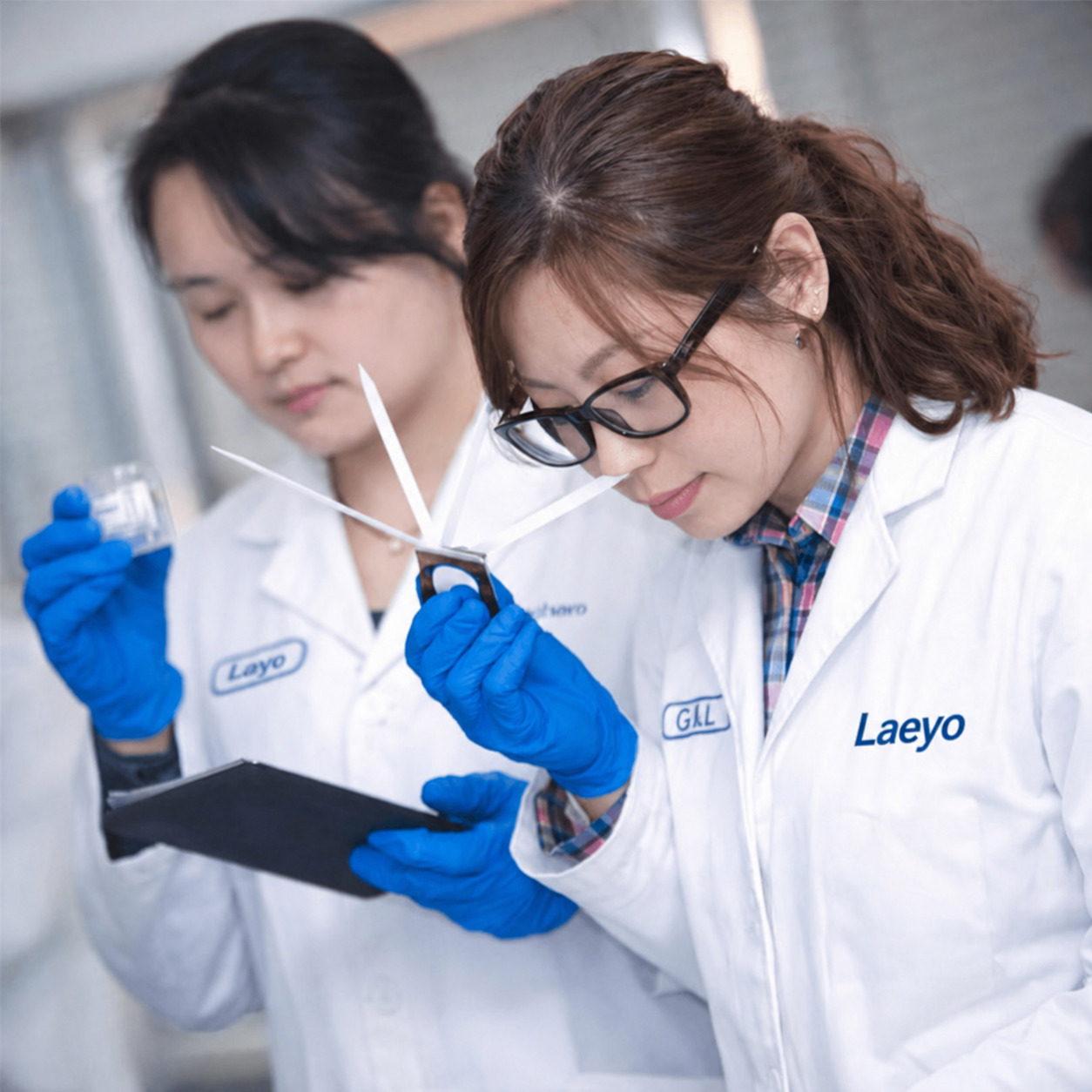
Sample Review
Samples should answer scent and packaging questions
Sample communication can cover fragrance intensity, bottle feel, packaging direction, decoration method, carton planning, and buyer approval notes.
Private Label Process
A clear B2B workflow helps buyers move from product idea to sample review, packaging confirmation, bulk production, quality checks, and export coordination.
Workflow
Use the following handover prompts to agree the information and approval record for your project. The outputs and decision gates below are items to confirm together, not a record that a specific order has already passed them.
Buyer input: Intended use, target market and channel, fragrance brief, quantity, packaging references and target launch window.
Output to agree: Feasibility questions, proposed development route and a list of information still needed.
Confirm before next stage: Confirm the brief version, decision contacts and open questions before sample work is scheduled.
Buyer input: Feedback tied to the identified sample, intended use and agreed review conditions.
Output to agree: Sample identifiers, revision notes and the next evaluation or technical questions.
Confirm before next stage: Confirm the sample version selected for further review; a scent preference alone does not approve packaging compatibility or production.
Buyer input: Bottle, closure, artwork, box, insert and carton requirements, including any supplied component samples.
Output to agree: Proposed component and artwork versions, fit questions and checks needed for the filled package.
Confirm before next stage: Confirm the component and artwork revision to evaluate; agree who approves changes before tooling or bulk purchasing.
Buyer input: Final project choices, agreed commercial scope and comments on the proposed approval records.
Output to agree: Formula/package version references, an approval-sample or golden-sample identifier, and agreed acceptance and change-control points.
Confirm before next stage: Both sides confirm the identified sample, specifications, quantity and production scope before bulk work is released.
Buyer input: The confirmed order/specification version and timely decisions on any proposed deviation.
Output to agree: Batch identification, agreed in-process and finished-goods records, and any deviation or recheck information.
Confirm before next stage: Confirm the disposition of unresolved differences against the approved reference and agreed release criteria.
Buyer input: Delivery details, consignee/forwarder instructions and destination-specific information required for review.
Output to agree: Packing quantities, carton information and the applicable shipment-document set for the actual goods and route.
Confirm before next stage: Confirm the shipment details and required technical/logistics review before dispatch; document availability does not guarantee clearance.
Existing component references are options to confirm, not stock of finished perfume or a promise that an already-made sample is available. Agree the actual formula, component availability and sample work before setting a schedule.
Custom scent development can add feedback and revision rounds. Custom bottle tooling adds drawing review, tooling quotation, physical samples and fit/compatibility decisions. Their timing is confirmed for the project; one route does not inherit another route’s schedule.
The approximately three-day sample reference covers R&D only and excludes communication, confirmation and transport. Revisions, packaging work, testing and production have separate agreed timing.
Use the dedicated guides for commercial and rights questions; keep this page focused on the next handover and the information to prepare.
Brief Preparation
To quote accurately and develop faster, we align around the same decision points used by procurement teams, founders, ecommerce sellers, and distributors before sampling begins.
Send Fragrance Brief
Sample communication can cover fragrance intensity, bottle feel, packaging direction, decoration method, carton planning, and buyer approval notes.

Bulk production should start after formula, bottle, packaging, artwork, quantity, QC points, lead time, and export communication are aligned.

QC & Export
Before shipment, buyers need clarity on packed quantity, carton marks, appearance review, document support, forwarder communication, and any destination-specific notes.
Process FAQ
These answers help buyers understand what to prepare and when key production decisions are confirmed.
Custom fragrance development is usually measured from an approved brief to a production-ready formula, not from first contact to shipped goods. In practice, Fast Launch or existing-scent modifications may reach a selected candidate in 2-4 weeks because they use one or two lab rounds. Reference benchmark and private label adaptations often require 1-3 sample rounds. Deep Custom or Original Creation typically requires 2-4 formal evaluation rounds, with extra exploratory work before the first client review, so 4-8 weeks or longer is a realistic planning window. The main variables are fragrance family, IFRA and regulatory limits, raw material availability, concentration, and whether the formula must be rebalanced for a specific sprayer, roll-on ball, oil base, or cap and pump system. First submissions often take 7-14 business days after brief lock, while subsequent revisions commonly take 5-10 business days depending on compounding and panel checks. Stability, packaging compatibility and pilot filling usually add another 2-4 weeks after the scent is approved, and production lead time is separate. Because destination-specific documentation, shipping mode and market requirements can extend the schedule, submit an inquiry with your target market, format, packaging direction and launch date for a project-specific timeline.
Laeyo works with B2B brands on OEM/ODM fragrance projects. We do not sell ready-made finished fragrances from stock or operate our own consumer retail brand. Product references on this website are development references. Use OEM, ODM and private label to describe the starting point for a discussion, not to assume a fixed ownership arrangement or a guaranteed speed or MOQ advantage. Tell us whether you already have a sample, specification, artwork or packaging brief, or need help developing the project direction. Before proceeding, confirm which inputs the buyer supplies, what the factory will develop or produce, who may use the formula and artwork, any exclusivity, and who approves or is responsible for changes. Put the agreed responsibilities and rights in the project agreement rather than relying on the route name alone. Perfume MOQ is 1,000 bottles. This is not a stated minimum per scent, size or packaging variant, and does not establish the MOQ for every other product format. Share the planned SKU breakdown, packaging, target market and timing for project review.
Perfume ODM development for a fragrance brand usually begins with a structured brief covering target market, retail price band, concentration, fragrance direction, bottle/cap/pump format, claims, and reference scents. Agree who will assess the proposed formula, packaging, filling compatibility, required studies and destination-specific documents before the development scope is approved. Discuss proposed scent directions and reference samples, then agree the sample versions, feedback rounds and approval criteria. A development reference does not mean ready-made fragrance stock or a guaranteed rapid launch. Agree which packaging-engineering reviews and any pilot stage are needed, together with the person responsible for approving progression. Assign the review of bottle neck finish, pump dip tube length, actuator compatibility, label/box fit, fill quantity and the applicable closure method to the project parties. Any agreed pilot or compatibility study needs identified samples, a written method, conditions, acceptance criteria, records and a reviewer. A generic development sequence does not establish completed testing, stability or compatibility. Identify the project-specific production controls and records that will be used. Confirm any mixing, holding, filtration, filling, closure and inspection steps with the responsible team rather than treating this overview as an approved factory procedure. Ask the responsible technical, regulatory and logistics parties which formula, safety, labelling, notification, transport and batch documents apply to the actual product and destination, who supplies or signs them, and what is available for review. Do not assume a generic document list proves market entry or shipment approval. Because exact documentation, claims, and testing thresholds depend on destination and product classification, we recommend submitting an inquiry with your target market and project details so the correct scope can be confirmed.
Start with your product format, fragrance direction, target market, intended use and packaging brief. Identify the choices already made and the questions that still need review. Agree the sample scope and evaluation approach for the project rather than assuming a fixed number of samples. Laeyo’s sample R&D takes approximately three days, excluding customer communication, confirmation waiting and shipping. This is not a promise that a sample will be dispatched or delivered in three days. Confirm the project schedule and any packaging or document needs separately. Record the sample ID and version, the agreed evaluation method and your observations. Describe what should stay and the priority change; leave formula adjustments to the technical team. Do not apply a sample of unknown safety status directly to skin. Confirm the exact approved sample version and the scope of approval. Scent preference approval does not complete safety, stability, packaging compatibility or bulk-release review. Agree the remaining checks and responsibilities before production. Sample fees are fully credited against a bulk order of at least 1,000 bottles. Confirm the sample scope, payment arrangements and shipping separately; this credit does not mean that samples or shipping are free or that a cash refund is promised without a qualifying order.
Yes, you can request a quotation even if your product specifications are not complete. Laeyo Fragrance regularly works with private label and OEM/ODM buyers who are still defining their perfume, body mist, or gift set concept. Send us whatever you know: target market and channel, product format and size, approximate first order quantity, packaging direction (stock bottle, custom, or undecided), scent family or references, target retail price, and launch date. We will respond with a preliminary or budgetary quotation and a short list of assumptions. To move from a budgetary quote to a final quotation, we will need the six groups of information we use for fragrance OEM projects: market and commercial details, consumer profile, product form and capacity, fragrance direction, packaging choices, and regulatory/project requirements. If any group is missing, we will mark it as TBD and still provide an indicative range. Partial specifications may affect unit cost, MOQ, lead time, sampling time, and applicable compliance documents, so the final quotation may differ from the initial estimate. For destination-specific requirements such as labeling, testing, or documentation, please submit an inquiry with your target market and project details, and our team will confirm what is needed.
Yes. Unisex positioning can work for department stores, ecommerce, boutique retail, and multi-brand fragrance shelves.
Inquiry
Send your target market, product type, packaging idea, quantity, and launch schedule. We will help clarify the next steps.
Sampling Process
Custom sample development for B2B brand OEM/ODM projects, with scope, fees, and timing confirmed before work begins.
We support B2B brand OEM/ODM projects only, with no own-brand retail products or off-the-shelf stock. Perfume bulk orders start at 1,000 bottles. Contact us to discuss your requirements, budget, and sample development scope.
Share your requirements and expectations, including performance, texture, scent, color, ingredient preferences, packaging, and target market. We will provide an initial consultation and tailored recommendations.
Sample and shipping fees are confirmed before work begins. The sample fee is fully credited toward a bulk order of at least 1,000 bottles. Pricing varies by item, quantity, and shipping destination.
Sample R&D takes approximately 3 days, excluding time spent on client communication and waiting for confirmation, as well as shipping time. Dispatch and delivery timing are confirmed separately. After you receive and test the samples, we will review your feedback and discuss the next steps.